
Highlights
- Oxalates are a potentially harmful compound found in many foods (such as leafy greens) otherwise known as healthy.
- Too-high levels may lead to a range of conditions including kidney stones and systemic inflammation.
Introduction
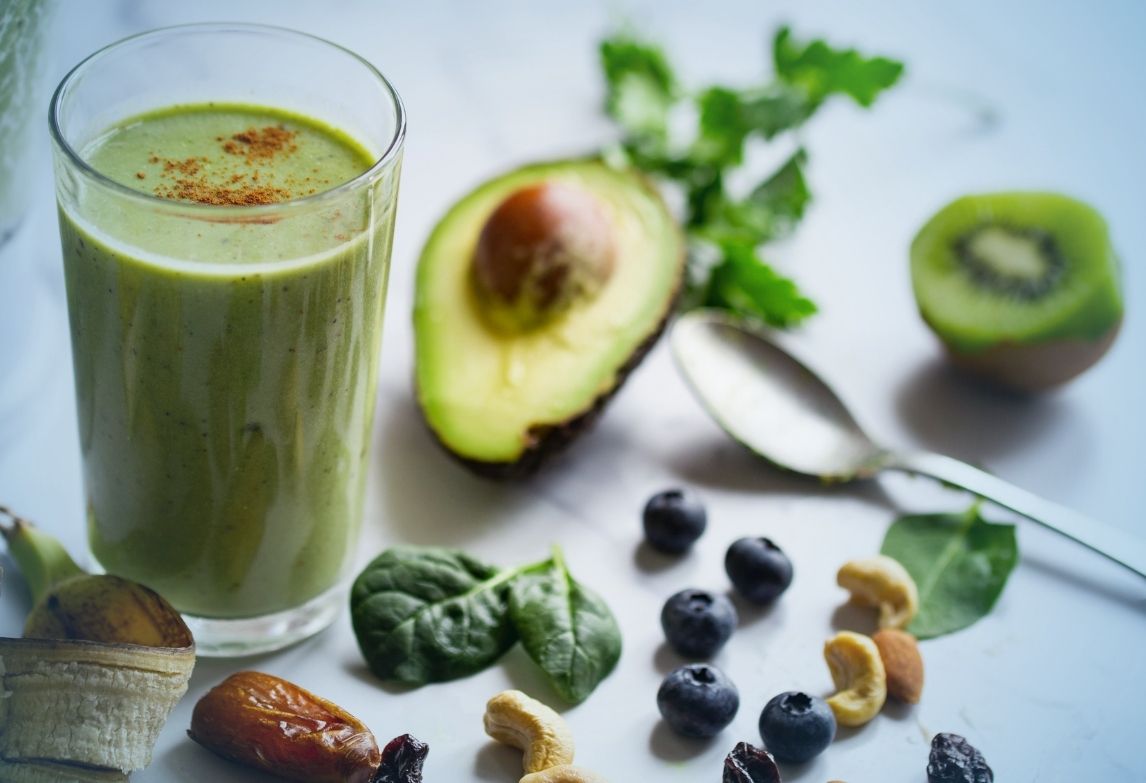
Green smoothie for breakfast, tofu salad with nuts for lunch, and baked potatoes and grains for dinner. As healthy as this meal plan sounds, there is one potentially harmful compound that such a meal plan is extremely high in – and that is oxalates.
What are Oxalates?
Oxalates and their acidic form oxalic acid is one of the most acidic compounds in the human body. Found as part of cellular reactions, a by-products of yeasts and fungus and other microorganisms, oxalates also enter the body through food.
When do Oxalates Become an Issue?
Oxalates may become an issue for those with a diet high in plant-based foods. Oxalates can form crystals throughout the body including in bones, joints, blood vessels, lungs, thyroid, and even the brain. These crystals are sharp in nature, and very high levels may result in increased pain and inflammation throughout the body.
High levels of oxalates are considered to be especially dangerous for those with a history of kidney stones as they can result in the formation of a certain type of stone. However, ongoing research has linked high levels of oxalates to a range of other health conditions.
Where are they found?
Oxalates are found among a wide range of foods including:

How to reduce oxalates?
- Diet Modification – Low oxalate diet
- Hydration – Drinking enough liquids helps eliminate oxalates from the body.
- Fat Digestion – Excessive fats in diet may lead to increased oxalates. Supporting fat digestion can help reduce overall oxalate load.
- Omega 3s – Increase intake of essential omega-3 fatty acids, commonly found in fish oil and cod liver oil, which reduces oxalate problems. High amounts of the omega-6 fatty acid, arachidonic acid, are associated with increased oxalate problems. Meat from grain fed animals is high in arachidonic acid.
Please log in to access full content.

